eDiscovery & Litigation Support
Managing electronically stored information (ESI) through forensic collection, data processing, document review, and evidence production to support litigation and investigations.
Disciplined Technical Advisory &
Defensible Evidentiary Rigor.
As legal disputes, investigations and regulatory matters become increasingly data-driven, organisations need to identify, preserve, review and produce relevant electronic information in a controlled and defensible manner.
Engagement Standards
Statutory Defensibility Rigor
Evidence and audit workpapers structured to satisfy statutory and regulatory inquiries.
Strict Non-Disclosure Protection
Confidential handling under full NDA & attorney-client privilege protocols.
Board-Level Reporting Clarity
Technical findings translated into executive risk ledgers and audit-ready disclosure packs.
Core Forensic Capabilities
Electronically Stored Information Collection
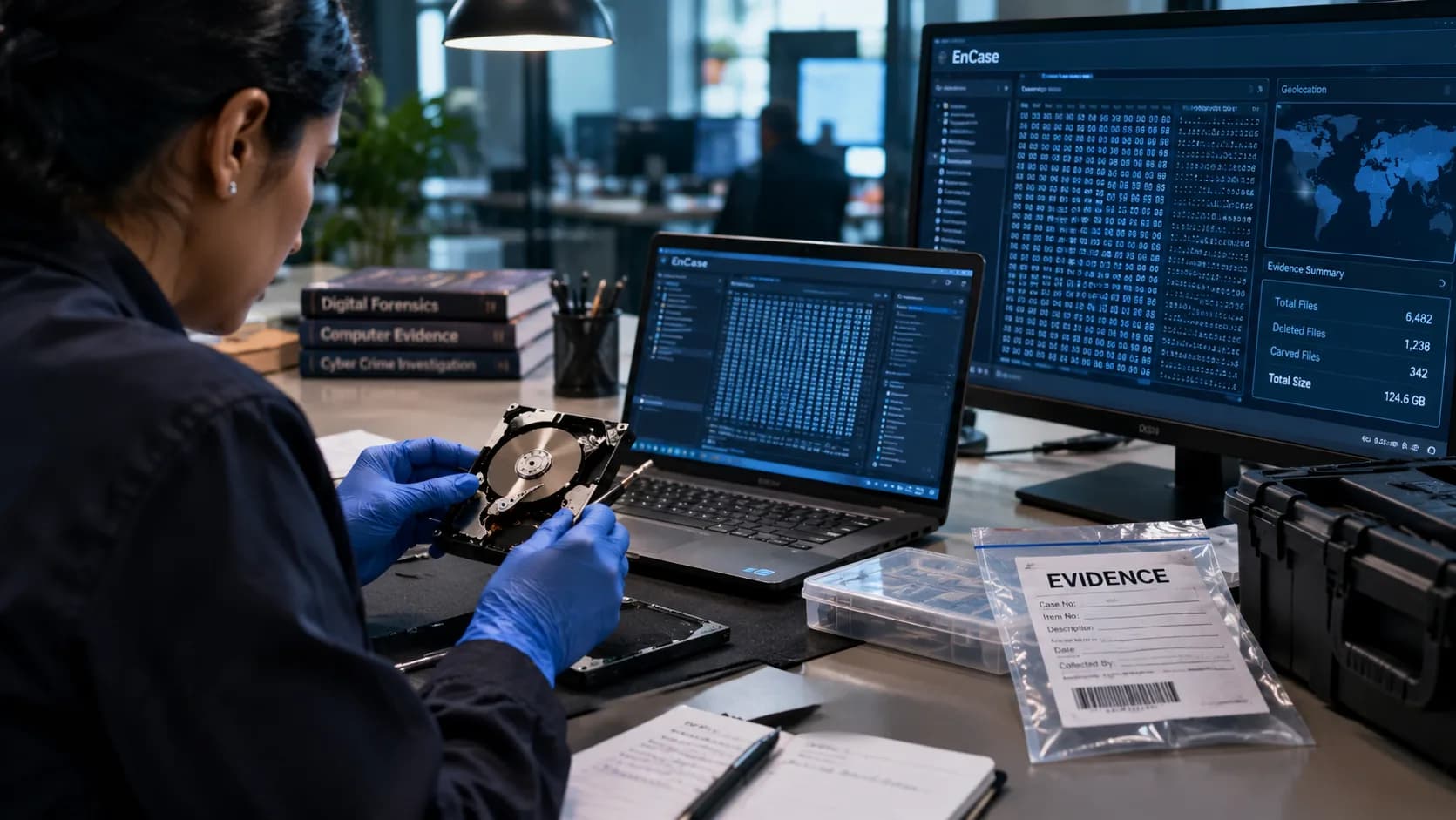
Forensic identification, collection and preservation of electronically stored information (ESI) from computers, mobile devices, email systems, cloud platforms and business applications. Appropriate acquisition methods, integrity verification and evidence documentation support the preservation of relevant data for legal and regulatory matters.
Primary Investigation Vectors:
What the Investigation May Establish
Relevant documents and communications
Relationships between individuals, accounts and data sources
Key events and communications within a matter
The timing and sequence of relevant activity
Information exchanged between relevant parties
Potentially responsive records
Documents associated with specific issues or custodians
Patterns across large volumes of electronic information
Evidence relevant to allegations, claims or regulatory questions
Gaps or limitations in available electronic evidence