Investigating Insider Data Exfiltration & Intellectual Property Theft
Detecting Covert Data Transfers, USB Mass Storage Artifacts, and Abnormal Employee Offboarding Behavior.
Executive Summary & Key Takeaways
- 01Windows Registry keys (USBSTOR, MountedDevices) provide immutable records of serial numbers and timestamps for every external drive connected.
- 02Shellbags and LNK file artifacts reconstruct exact folder structures and file names opened on external or removable drives even after the files are deleted.
- 03Correlating badge access records, DLP alerts, and off-hours VPN connections uncovers coordinated data exfiltration patterns.
1. The Modern Insider Threat Landscape
Departing executives, research scientists, software engineers, and sales leaders often believe their access to corporate documents grants them proprietary rights. In reality, commercial trade secrets, client databases, proprietary source code, and strategic pricing models belong strictly to the enterprise.
Sophisticated insiders often use anti-forensic techniques—such as CCleaner, wiping utilities, USB renaming, and mass file re-dating (timestomping)—to hide their exfiltration footprint.
- Reconstruction of USB device insertion and volume serial numbers via setupapi.dev.log.
- Shellbag analysis revealing folder browsing on unattached external hard drives.
- Browser download and upload cache forensics uncovering personal cloud storage transfers (WeTransfer, Mega, personal Google Drive).
2. Proving Willful Intent and Knowledge
In civil injunctions and criminal IP theft litigation, proving willful intent is critical. Stellar Forensic correlates file access timestamps with resignation letters, recruitment communications, and secondary device connections to demonstrate a deliberate pattern of unauthorized exfiltration.
“Even if an employee reformats a laptop or wipes their user profile before departure, volume shadow copies and Master File Table ($MFT) journals record historical file creation and deletion records.”
3. Evidentiary Dossier Preparation for Injunctions
Our forensic deliverables include high-impact visual timelines, certified hash verification exhibits, and Section 65B affidavits designed for immediate filing in high courts to secure Anton Piller search orders or ex-parte interim injunctions.
Statutory Defensibility & Regulatory Standards
| Framework / Legislation | Section / Clause | Forensic Relevance |
|---|---|---|
| Indian Penal Code / Bharatiya Nyaya Sanhita (BNS) | Section 316 / Criminal Breach of Trust | Prosecution of corporate assets and data misappropriation |
| Information Technology Act, 2000 | Section 43(b) & 66 | Penalties for downloading, copying, or extracting corporate data without authorization |
| Trade Secrets & Commercial Injunction Precedents | Civil Court Defensibility | Interim restraining orders and Anton Piller search authorization |
Related Services & Solutions
Facing a Similar Digital or Legal Matter?
Speak directly with our senior examiners under strict confidentiality.
Request ConsultationRelated Insights
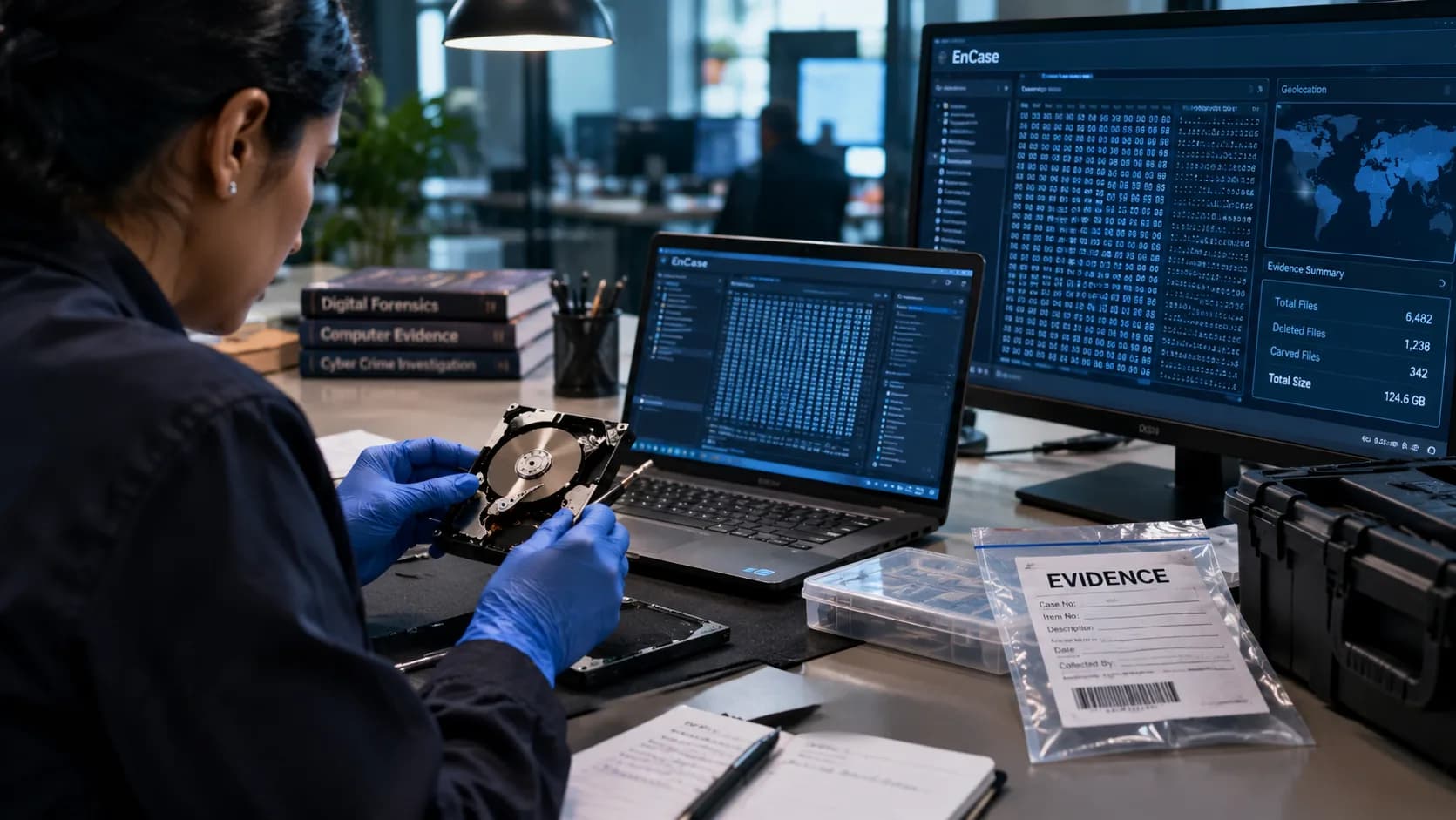
The Next Generation of Global Digital Forensic Discovery
As enterprise infrastructure disperses across multi-cloud regions, hybrid data centers, and encrypted endpoints, digital forensics requires unprecedented discipline. This research explores modern bit-stream imaging protocols, cryptographic integrity verification, and legal defensibility under updated evidentiary frameworks.
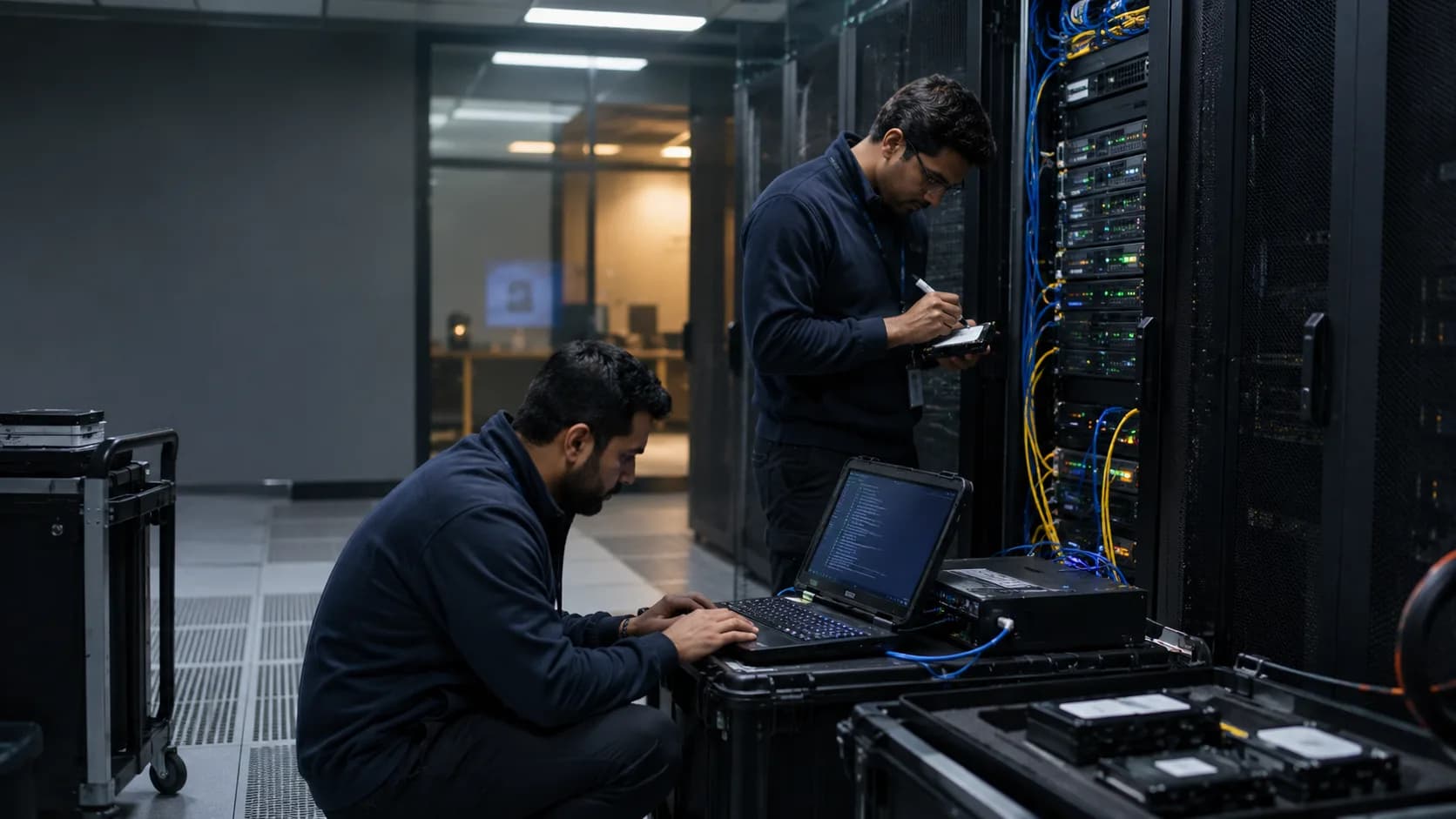
Enterprise Incident Response & Volatile Memory Extraction
When high-velocity ransomware strikes, conventional system shutdowns destroy crucial volatile memory artifacts, active network sockets, injected DLLs, and decrypted payload keys. This white paper details how rapid live RAM triage preserves critical IOCs while executing immediate containment within 90 minutes.