Multi-Cloud Forensic Investigations across AWS, Azure & M365
Reconstructing Privileged Identity Hijacking, Ephemeral Container Footprints, and SaaS Exfiltration Vectors.
Executive Summary & Key Takeaways
- 01Cloud forensic investigations depend on centralized, immutable logging; disabled audit logs mean lost evidence.
- 02Adversaries leverage session token hijacking and illicit OAuth application grants to bypass multi-factor authentication without triggering brute-force alarms.
- 03Forensic preservation of ephemeral containers and serverless functions requires real-time memory capture before orchestrators terminate pods.
1. The Disappearing Perimeter and Cloud Identity Attacks
In traditional network forensics, packet captures and firewall boundary logs defined the attack boundary. In AWS, Azure, and Google Cloud, identity is the new perimeter.
Attackers frequently gain initial access via compromised API credentials, stolen developer sessions, or phishing tokens. Once inside, they escalate privileges via IAM misconfigurations, provision rogue compute instances for crypto-mining, or silently sync cloud storage buckets (S3 / Azure Blob) to external tenants.
- Cross-correlation of CloudTrail, VPC Flow Logs, and GuardDuty alerts across multi-account AWS Organizations.
- Investigation of Azure Entra ID sign-in logs, conditional access policy overrides, and PIM escalations.
- Forensic parsing of Microsoft 365 Unified Audit Logs (UAL) for mailbox delegation and eDiscovery export actions.
2. Preserving Ephemeral Cloud Evidence
In Kubernetes and serverless architectures, worker nodes and container pods are continuously destroyed and recreated. Responding to incidents in these environments requires automating snapshot creation of underlying EBS/Managed Disks and container memory dumps before auto-scaling groups scale down.
“Never delete suspect IAM roles or revoked API tokens immediately; disabling access while preserving role configuration and session logs maintains the evidentiary record needed for regulatory breach scoping.”
3. Multi-Tenant Legal Hold and Data Isolation
Performing forensic collections in shared multi-tenant cloud environments requires precise scoping to prevent collecting proprietary data belonging to uninvolved business entities or third-party tenants, ensuring strict legal compliance.
Statutory Defensibility & Regulatory Standards
| Framework / Legislation | Section / Clause | Forensic Relevance |
|---|---|---|
| CSA Cloud Controls Matrix (CCM) | LOG-01 / LOG-02 | Immutable audit log retention and continuous security monitoring |
| ISO/IEC 27017:2015 | Cloud Security Controls | Information security controls for cloud service providers and users |
| CERT-In Cloud Directives | Log Retention Clause | Mandatory maintenance of ICT system logs within Indian jurisdiction for 180 days |
Related Services & Solutions
Facing a Similar Digital or Legal Matter?
Speak directly with our senior examiners under strict confidentiality.
Request ConsultationRelated Insights
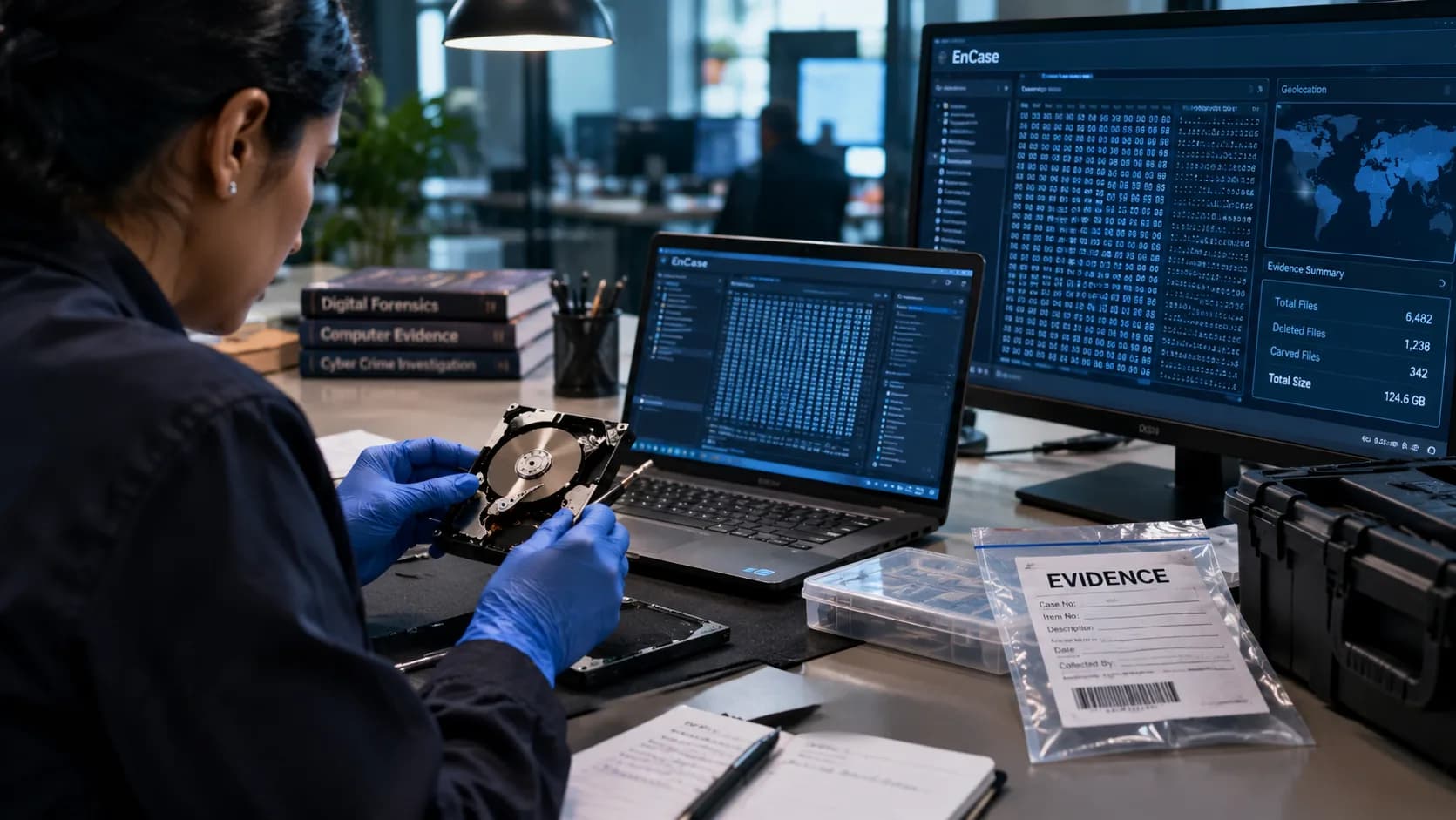
The Next Generation of Global Digital Forensic Discovery
As enterprise infrastructure disperses across multi-cloud regions, hybrid data centers, and encrypted endpoints, digital forensics requires unprecedented discipline. This research explores modern bit-stream imaging protocols, cryptographic integrity verification, and legal defensibility under updated evidentiary frameworks.
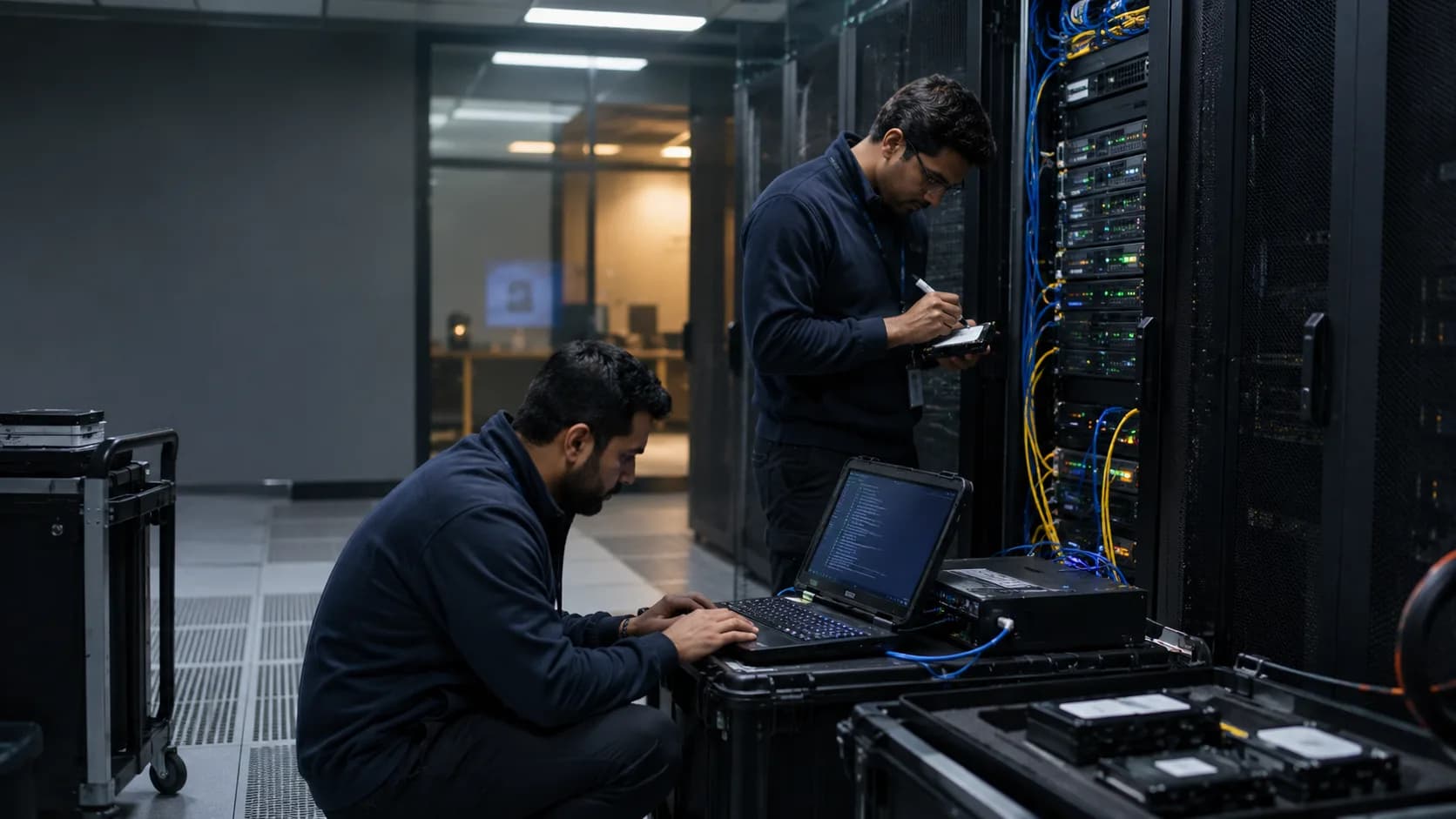
Enterprise Incident Response & Volatile Memory Extraction
When high-velocity ransomware strikes, conventional system shutdowns destroy crucial volatile memory artifacts, active network sockets, injected DLLs, and decrypted payload keys. This white paper details how rapid live RAM triage preserves critical IOCs while executing immediate containment within 90 minutes.